Marcel Polin - On the Gradual Emergence of Colour and Form
Exhibition from 30 October – 4 December 2026
Opening reception Friday, 30 October 2026 von 6 – 9 pm
Get together and guided tour Thursday, 26 November 2026 6-9 pm
Closing reception Friday, 4 December 2026 6 – 9 pm
_____________________________________________
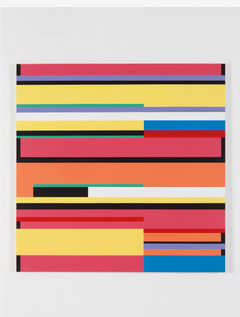
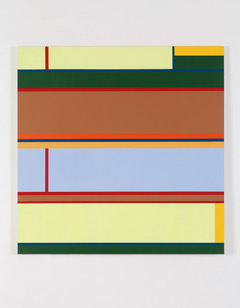
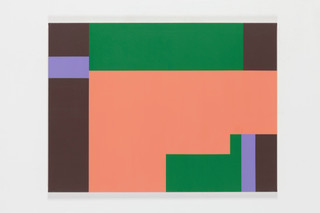
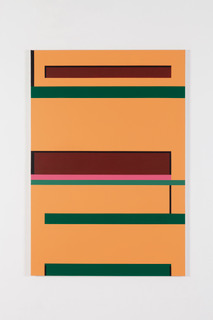
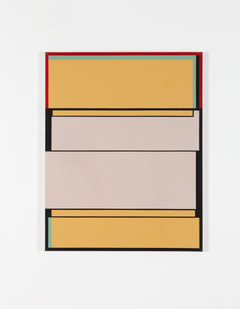
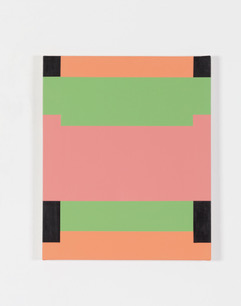
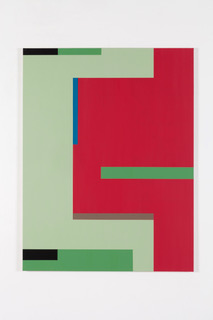
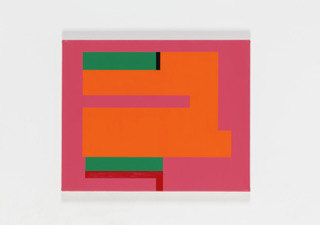
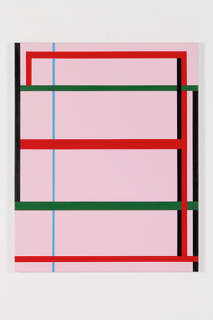
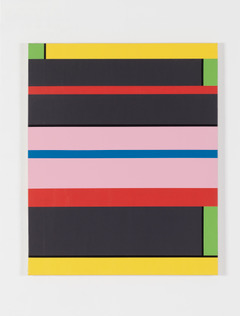
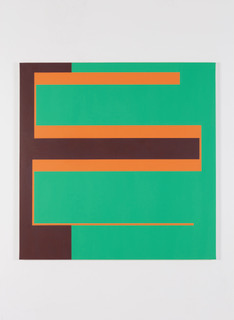
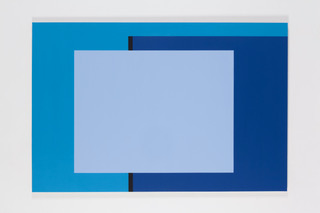
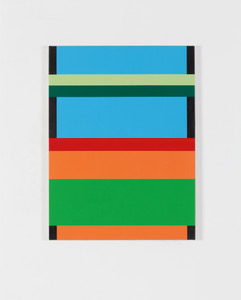
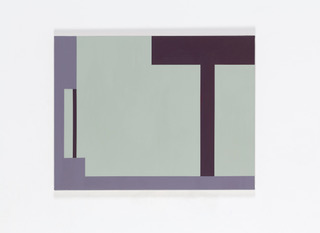
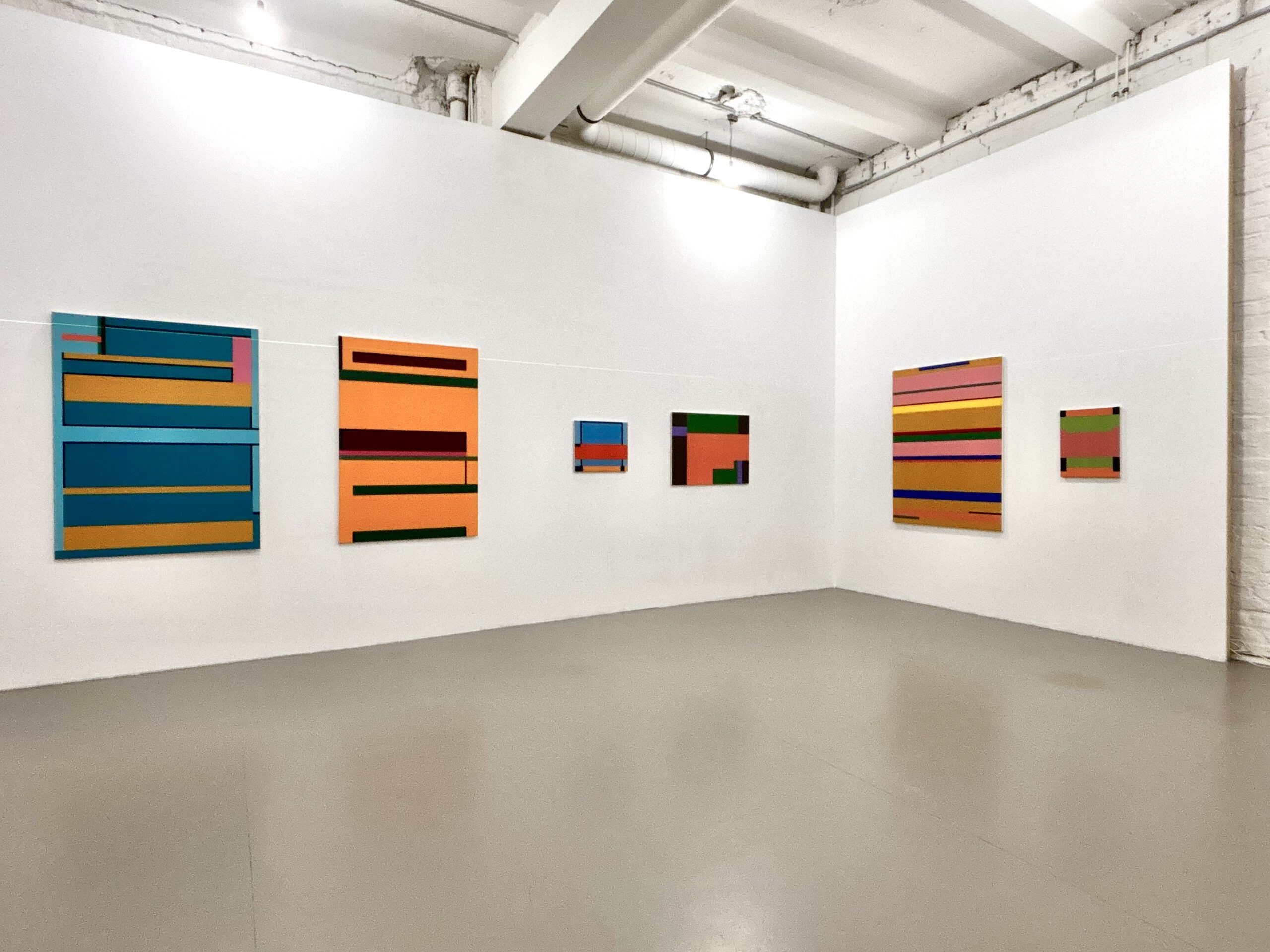
There is nothing to suggest a gestural style of painting when one looks at Marcel Polin’s body of work. The colours are fresh and clear, the lines precise, the areas rich and expansive. The works evoke associations with architectural structures, scaffolding and spaces: complex constructs, lines that end unexpectedly, and surfaces that seem to rub against one another.
Marcel Polin does not plan his works; he approaches them intuitively and gesturally, using colours as inspiration and the canvas as a playground. There is no underlying drawing, no analogue or digital sketch. Neither the drawing nor the colours are determined in advance.
Everything emerges during the painting process. Lines drawn freehand, superimposed and overlapping areas. A minimalist starting point develops into dense painting, before Marcel Polin reduces what is there once more, provides a framework for the spontaneous application of paint and makes a final decision on colour and form. From this point on, reason takes over. Traces of the personal, the frivolous and the experimental are erased; the painting is perfected.
Marcel Polin’s body of work appears cohesive; his distinctive style is unmistakable. Yet one would search in vain for repetitions of forms and colour compositions. Each painting has its own language, its own surprising forms and its own colour scheme.
When asked whether he follows a particular colour theory, Marcel Polin replies: “I am sceptical of all theories. I approach colours intuitively, mixing in certain pigments to make them appear more intense and deeper.” What is important is the interplay of colours. Every surface, every line has a significance in stabilising and intensifying the work.
Marcel Polin’s paintings radiate tranquillity and energy.
Beneath these lie one or more layers of gestural painting.
You cannot see them, but they are there and convey a narrative about the gradual emergence of colour and form.
Kirsten Floss